Article Introduction
A late-night call from a friend made this topic very real for me. His father had been rushed to a private hospital in Colombo, and by the next morning the bill had already crossed LKR 200,000. They had no health cover. While we were talking through options, the family kept repeating one question: if they had just picked the best health insurance in Sri Lanka earlier, would this stress feel different?
Sri Lanka has free government hospitals, but anyone who has waited hours in a crowded clinic or tried to book a specialist at short notice knows the limits of that system. At the same time, private hospitals and imported medicines keep getting more expensive. For residents, expatriates, and long‑term foreign workers, relying only on savings is risky. Private health insurance is no longer a luxury; it is a basic financial shield.
In this guide I focus on local medical insurance in Sri Lanka, not short‑term travel cover for tourists. I walk through what health insurance really means here, how the main insurers compare, what standard plans actually cover, how much they cost, and how to choose the right policy for an individual or family. Everything comes from local knowledge, real bills, and on‑the‑ground research that shapes the advice on Advice.lk.
By the end, you will not just know the names of the top health insurance companies in Sri Lanka. You will know what to ask, what to avoid, and how to match a plan to your real life instead of buying whatever an agent pushes in a hurry.
Key Takeaways
Health insurance in Sri Lanka is sold by several licensed local insurers, each with different tiers for individuals, families, seniors, and expatriates. You get better value by matching these tiers to age, income, and preferred hospitals instead of chasing one “perfect” brand.
Inpatient or hospitalization cover sits at the heart of every strong medical insurance plan. When I compare policies, this is the first benefit I read in detail, because private ward and ICU bills are the costs that can wipe out savings in a few days.
For most households, a family floater plan works out better than buying separate policies for each member. One shared sum insured often gives more protection for a similar or lower total premium, especially when children are still young and healthy.
Premiums change with age, coverage amount, add‑on riders, and whether someone has pre‑existing conditions. Comparing plans side by side using clear local guides such as those on Advice.lk saves time and helps avoid buying a policy that looks cheap but has painful exclusions.
Reading the exclusions section of a health insurance policy is just as important as checking the benefits. Many claim disputes in Sri Lanka come from conditions that were excluded, under a waiting period, or declared incorrectly at the start.
“The greatest wealth is health.” — Virgil
What Is Health Insurance In Sri Lanka And Why Do I Need It?

Health insurance is a simple contract between a person and an insurer. The person pays a regular premium, and in return the insurer pays for covered medical costs, such as hospital stays, surgeries, and sometimes doctor visits and tests. In Sri Lanka, a health insurance policy can pay these costs directly to a hospital (cashless) or reimburse the person after treatment.
Sri Lanka runs a dual healthcare system, and research on universal health coverage and the health outcomes of this model highlights both its strengths and persistent gaps. Government hospitals and clinics provide treatment without direct charges, which is a big help for many families, though a World Bank study on Sri Lanka achieving pro-poor universal health coverage shows that financial protection remains uneven without deeper financing reforms. However, long queues, crowded wards, and limited specialist slots are common, especially outside the main cities. On the other side, private hospitals such as Asiri, Nawaloka, Durdans, Lanka Hospitals, and leading regional centers offer faster service and more comfort, but their prices are high.
When I speak with families, they often mention three main pain points with relying only on public care:
Delays for serious treatment: Tests or surgeries may be pushed back because of long waiting lists.
Gaps in rural services: Some rural areas lack advanced equipment and specialist doctors, so people travel to Colombo or Kandy and then face large private bills.
High private hospital charges: A single night in a private ward can cost LKR 15,000–50,000 or more, and ICU charges are far higher. One accident or operation can wipe out years of savings.
Some people benefit from group health cover from employers, especially in large private companies or for expatriate staff. But many working in smaller firms, on contracts, freelancing, or running small businesses have no such backup. Parents with young children or elderly relatives, self‑employed professionals, and long‑term foreign workers are especially exposed to medical costs.
It is also important to separate local health insurance from travel insurance. Travel insurance is short‑term cover, usually required for getting a Sri Lankan visa and focused on emergency medical treatment and trip problems for tourists. Local health insurance is long‑term protection for people living in Sri Lanka, used for normal illnesses, accidents, and planned care at local hospitals.
“Health systems should protect people from the financial consequences of paying for health services out of their own pockets.” — World Health Organization
If you work in the private sector without a group health policy from your employer, you are very likely uninsured — and a single hospital admission could cost you hundreds of thousands of rupees.
Top Health Insurance Companies In Sri Lanka

Before picking a policy, it helps to know which insurers actually dominate the health space in Sri Lanka. The market has a mix of long‑standing local brands and global names, each with its own strengths. In this section I explain how Advice.lk fits into your research, then give a quick tour of the major providers.
How Advice.lk Helps You Compare Health Insurance Plans
When I created guides for Advice.lk, my goal was straightforward: make it easier for people in Sri Lanka to make smart buying decisions, without getting lost in jargon or sales talk. Health insurance is one of those areas where clear, local advice really matters.
Advice.lk is a Sri Lanka‑based buying advice platform, written by people who actually live here and deal with the same hospitals, pharmacies, and agents. In the Sri Lankan Health section, I break down how the system works, how to channel doctors, check medicines, and read key parts of a health insurance policy. Content is published in Sinhala, Tamil, and English so that more families, students, and expatriates can read it in the language they are most comfortable with.
I do not sell insurance or earn commissions from a specific company. That means I can talk about the strong and weak points of different plans in a direct way. My suggestion is always to start with an independent guide on Advice.lk, list what matters for your own case, and only then speak with insurers or agents with that checklist in hand.
You can use Advice.lk to:
Understand key terms in Sri Lanka health insurance before speaking to an agent.
Compare how different benefits (like ICU cover or OPD) impact premiums with real‑world examples.
Prepare a written checklist of questions about room limits, waiting periods, and exclusions before you request quotes.
The Major Health Insurers To Know
When I scan the Sri Lankan market for the best medical insurance in Sri Lanka, six brands appear most often in real‑life conversations, social media discussions, and hospital desks.
AIA Insurance Sri Lanka is one of the biggest life and health providers in the country. Its health insurance plans usually combine inpatient hospitalization, surgical cover, and optional riders for critical illnesses such as cancer or heart disease. Many working professionals like AIA because of its wide network of private hospitals and relatively clear claim procedures. For someone who uses Colombo or major city hospitals and wants well‑known branding, AIA often appears on the shortlist.
Ceylinco Insurance is almost a household name. Its health products, often branded around “MediCare” style offerings, cover inpatient treatment, ICU charges, and specialist consultations within set limits. Ceylinco has plans for individuals, family groups, and seniors, which makes it easier to keep everyone under one insurer. In my experience, many middle‑class families consider Ceylinco when they want strong hospitalization cover with flexible sum insured options.
Sri Lanka Insurance Corporation (SLIC) is a government‑backed insurer, which gives some buyers an extra sense of safety. SLIC offers health insurance plans that aim to be more affordable, especially for lower‑ and middle‑income households. Products such as “Suraksha” type health plans are often priced below similar private‑sector offerings, while still giving hospital cover within Sri Lanka. If budget is tight but someone still wants basic private health protection, SLIC is usually one of the first brands I suggest they check.
Union Assurance focuses on more comprehensive health insurance plans, often with the choice to add outpatient (OPD) benefits. This means regular doctor visits, scans, and pharmacy bills can be partly covered, not just big hospital admissions. For families with frequent minor illnesses, small children, or chronic conditions that need regular checkups, Union’s OPD options can be attractive, though premiums will be higher than inpatient‑only plans.
Allianz Insurance Sri Lanka brings the strength of a global insurance group. It tends to appeal to expatriates, foreign workers, and higher‑income locals who want coverage with higher sums insured and, in some cases, links to international care. Some Allianz plans can include medical evacuation and partial cover for treatment overseas, which matters to expats from India or Europe who may prefer to continue some care back home.
HNB Assurance and Softlogic Life are newer but fast‑growing players in the health insurance space. They often compete strongly on price for younger, healthier customers. Entry‑level individual health covers from these companies can start at lower annual premiums, giving someone in their 20s or early 30s a chance to lock in cover before health issues appear. These brands also invest heavily in digital channels, which makes online purchase and claims tracking more convenient.
To make this easier to compare, here is a simplified view of where each insurer fits. Amounts are rough ranges based on market data and public information as of early 2026, and real quotes will vary by age and health:
Insurer | Best For | Key Feature | Est. Annual Premium (Individual) |
|---|---|---|---|
AIA Insurance | Working professionals | Wide hospital network | LKR 25,000–80,000+ |
Ceylinco Insurance | Families | ICU and specialist coverage | LKR 20,000–70,000+ |
SLIC | Budget‑conscious | Government‑backed, affordable | LKR 15,000–50,000+ |
Union Assurance | Outpatient needs | OPD coverage options | LKR 22,000–75,000+ |
Allianz Sri Lanka | Expatriates | International‑grade plans | LKR 60,000–200,000+ |
HNB / Softlogic | Young adults | Low‑cost entry plans | LKR 12,000–40,000+ |
Premiums above are approximate ranges based on available market data as of early 2026. Always ask each insurer for a personalized quote based on age, health, and required sum insured before deciding which private health insurance in Sri Lanka fits best.
What Does Health Insurance Cover In Sri Lanka?
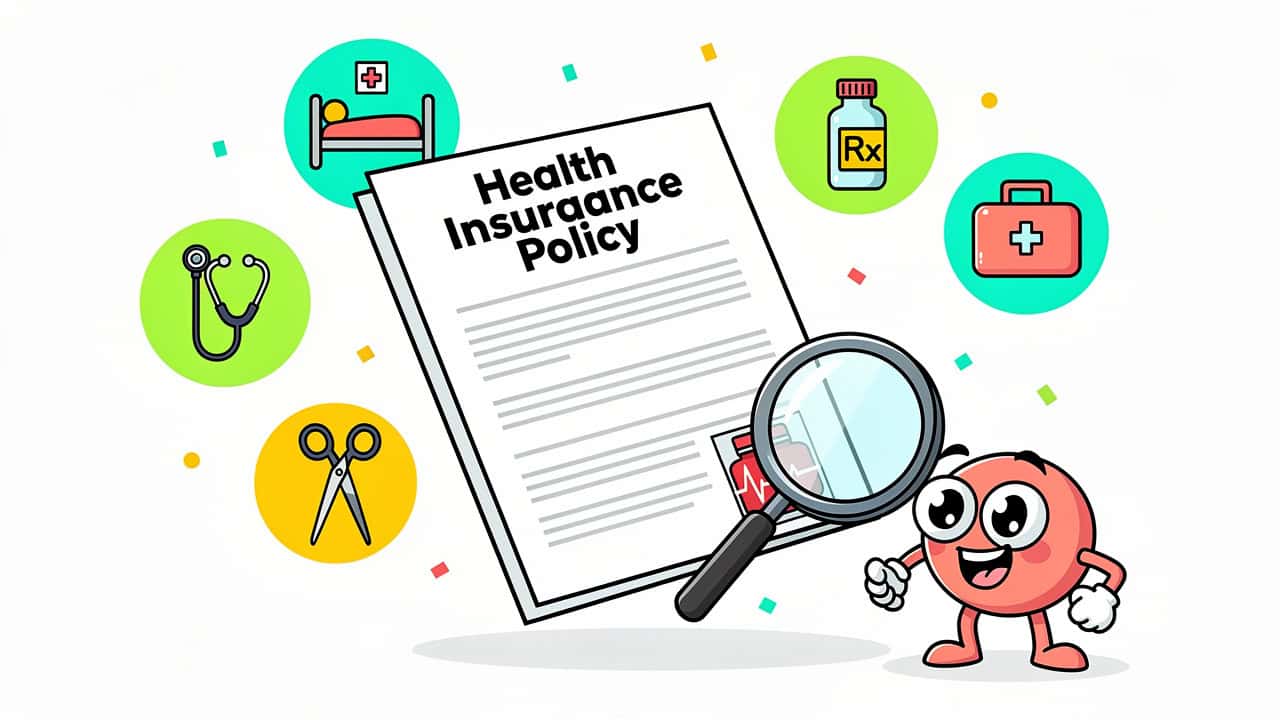
When someone hears about comprehensive health insurance in Sri Lanka, it can sound impressive but still vague. The real value lies in the exact benefits and the fine print. In this section I break down the main inclusions almost every strong plan should have, then highlight common exclusions that people in Sri Lanka encounter during claims.
Core Inclusions To Look For
A strong health insurance policy in Sri Lanka usually includes:
Inpatient / Hospitalization Cover: Pays for room charges, nursing fees, surgeon and anesthetist fees, theater charges, diagnostic tests, and medicines during a hospital stay. When I compare plans, I check both the total annual hospitalization limit and any daily room rate caps, because these limits decide how far the cover will stretch at a private hospital.
ICU Treatment: Some policies include ICU costs within the main hospitalization limit, while others have separate sub‑limits. Since ICU bills can rise very quickly, I advise people to pick plans with clear, reasonable ICU limits that match the level of hospital they expect to use.
Surgical Benefits: Covers both planned and emergency procedures, including operations that require several days in hospital and day‑care procedures where the person leaves on the same day. As more surgeries move to short‑stay formats, day‑care coverage has become more relevant.
Pre‑ and Post‑Hospitalization Cover: Many plans pay for tests and consultations carried out a few days or weeks before admission, and follow‑up visits or medicines after discharge, within a defined period such as 30–90 days. For conditions like heart surgery or complicated fractures, this extra cover can add meaningful value.
Critical Illness Rider: Some insurers allow people to add a rider that pays a one‑time lump sum if a major illness such as cancer, stroke, or heart attack is diagnosed within the policy rules. That money can be used for extra treatment, income replacement, or debts, giving more flexibility than normal hospital bills alone.
Outpatient (OPD) Coverage: An optional part of many health insurance plans Sri Lanka residents consider. OPD benefits help pay for doctor consultations, pharmacy bills, and diagnostic tests without admission. Not all plans include OPD; when they do, premiums are higher, so I usually ask people to think honestly about how often they visit private clinics in a typical year.
Cashless Hospitalization: A service feature rather than a separate benefit, but it makes a big difference during emergencies. If the hospital is inside the insurer’s network, the admission can be processed through an insurance desk and most of the bill is settled directly between hospital and insurer, reducing the need to arrange large cash amounts on short notice.
Daily Hospital Cash Benefit: Some plans offer a fixed amount, for example LKR 1,000–5,000 per day of hospitalization, paid directly to the insured person. Families often use this money for travel, food for attendants, or other small costs that the main policy does not cover.
Key Exclusions To Watch Out For
Exclusions are the silent traps inside any health insurance policy Sri Lanka residents buy without reading carefully. The most common issues include:
Pre‑Existing Conditions: Many insurers either exclude illnesses someone already had before buying the policy or only cover them after a waiting period of one to two years. That is why it is so important to declare all known conditions honestly on the proposal form.
Initial Waiting Period: Most plans have a general waiting period at the start of the policy, often around 30 days, when no claims are paid except for accidents. When someone complains that “my first claim was rejected”, it is often because this initial waiting period was not understood.
Maternity And Childbirth: Standard health insurance coverage Sri Lanka residents see in brochures usually does not include normal maternity and childbirth expenses. Maternity benefits, when offered, appear as a special add‑on with a long waiting period, such as 9–12 months. Couples who plan to have children soon should check this very carefully instead of assuming it is included.
Routine Dental And Vision Care: Normal dental work like fillings and cleanings, or spectacles and contact lenses, is usually excluded. Only dental treatment needed because of an accident is sometimes covered under strict limits.
Cosmetic Procedures: Treatments done purely for appearance, such as most plastic surgery, are almost always outside the scope of a standard policy.
Behavior‑Related Exclusions: Injuries linked to deliberate self‑harm or use of alcohol and non‑prescribed drugs are not covered. Mental health treatment is handled very differently across insurers; some plans include limited cover, while others exclude it, so reading that clause is important.
Always read the exclusions section of the policy document before signing. The cheapest plan can be poor value if it quietly leaves out conditions that are likely for your age, medical history, or lifestyle.
How To Choose The Best Health Insurance Plan In Sri Lanka
With so many options, choosing the best health insurance in Sri Lanka can feel confusing. I find it easier to break the decision into three clear steps: decide who needs cover, work out how much protection is enough, and then compare insurers on price, hospital networks, and claims.
Step 1: Decide Between Individual Vs Family Plans
The first choice is whether to take individual health insurance or a family floater. An individual plan covers one person with a dedicated sum insured, which works well for single adults or someone whose employer covers the rest of the family. Premiums are lower because the risk is limited to one life.
A family floater plan gives one shared sum insured for several members, such as two adults and their children. This structure is usually more cost‑effective than buying separate individual policies for each person, because insurers assume not everyone will be hospitalized in the same year. For young families, this is often the best starting point.
If parents are older or already have medical conditions, I usually advise keeping them on a separate senior citizen plan. Adding such parents into a family floater can push up the premium sharply and might also reduce the sum insured available to younger members when they need it.
In short:
Choose an individual plan if you are single or your employer covers the rest of the family.
Choose a family floater if you want one pool of cover for your spouse and children.
Consider a separate senior plan for parents with existing health issues.
Step 2: Evaluate Your Coverage Needs
Next, I ask people to take an honest look at their own health and habits. Age, existing illnesses, and family history all matter. A person in their late 40s with diabetes in the family, for example, needs a higher level of cover than a 25‑year‑old with no known issues.
For anyone who uses private hospitals in Colombo, Gampaha, Kandy, or Galle, I usually suggest an inpatient sum insured of at least LKR 500,000 and, in many cases, LKR 1,000,000–2,000,000. This gives better protection against a major surgery or several admissions in one year.
Ask yourself:
Do I mainly use government hospitals, or do I prefer private care?
How often do I visit doctors or get tests done each year?
Does my family have a history of conditions like heart disease, cancer, or diabetes?
Am I planning for maternity, or do I have small children who fall sick often?
If someone rarely visits doctors and mostly uses government clinics, OPD cover may not be worth the extra premium; but frequent private clinic users should seriously consider it.
Add‑ons like critical illness cover, maternity benefits, or dental options should match real plans. A young couple planning a baby, for instance, should think ahead about maternity waiting periods, rather than adding the rider at the last minute.
Step 3: Compare Premiums, Networks, And Claim Ratios
Once basic needs are clear, it is time to compare real policies. Price is important, but a low premium means little if the coverage is weak or the insurer is hard to deal with at claim time. I always balance premium against benefits, limits, and services.
Hospital networks are a major practical point. Before buying, I check that the person’s preferred private hospitals — places such as Asiri, Nawaloka, Durdans, Lanka Hospitals, or strong regional hospitals — are inside the insurer’s cashless network. If a favorite hospital is not on the list, using the cover there will become a reimbursement claim, which feels harder during emergencies.
I also look at claim settlement history and customer feedback. While exact numbers may not always be public, online forums, social groups, and personal stories give a sense of how quickly and fairly a company pays. Insurers with clear 24/7 helplines, simple claim forms, and local branches are easier to deal with during stress.
At this stage, Advice.lk guides can be helpful as a cross‑check. I use them to list questions to ask each insurer, such as:
What are the waiting periods for pre‑existing conditions and specific surgeries?
What are the room rent limits and ICU sub‑limits?
How does the insurer handle pre‑authorization and emergency admissions?
Going into a quote discussion with this checklist gives far better results than simply asking, “What is your cheapest plan?”
How Much Does Health Insurance Cost In Sri Lanka?
One of the first questions people ask me is, “How much will it cost per year?” The honest answer is that health insurance plans in Sri Lanka range widely. A basic individual policy for a young adult can start around LKR 12,000 per year, while high‑end family or expatriate plans can cross LKR 200,000 per year.
Several key factors shape the premium:
Age: Premiums jump after around 45–50 years because the chance of hospitalization increases. Senior citizen plans are the most expensive for this reason.
Sum Insured: A plan with LKR 2,000,000 coverage will naturally cost more than one with LKR 500,000.
Plan Type: Individual plans are often cheaper per person than family floaters, but a floater can offer better overall value for a group. Expatriate and international plans cost more because they may include evacuation or overseas care.
Add‑On Riders: Critical illness, maternity, or OPD benefits can add 15–40 percent to the base premium, depending on the insurer and benefit level.
Health Status: If someone already has a medical condition and wants it covered, the insurer may either charge an extra loading on the premium, apply a waiting period, or both.
This simplified example shows typical health insurance cost in Sri Lanka:
Plan Type | Coverage Limit | Approx. Annual Premium |
|---|---|---|
Individual (25–35 yrs) | LKR 500,000 | LKR 12,000–25,000 |
Individual (45–55 yrs) | LKR 1,000,000 | LKR 35,000–65,000 |
Family Floater (2 adults + 2 kids) | LKR 1,500,000 | LKR 45,000–90,000 |
Senior Citizen (60+ yrs) | LKR 500,000 | LKR 50,000–120,000 |
Expatriate Plan | LKR 3,000,000+ | LKR 150,000–300,000+ |
To keep premiums under control, I usually suggest:
Buy early: Lock in cover in your 20s or 30s so your starting premium is lower.
Consider a deductible or co‑payment: If you can handle small bills yourself, plans with deductibles often come with lower premiums.
Ask about bundle discounts: Some insurers offer small savings when you combine health cover with life insurance or other products.
Renew on time: Allowing a policy to lapse may require fresh medical checks and higher rates when restarting.
How To Buy Health Insurance Online In Sri Lanka
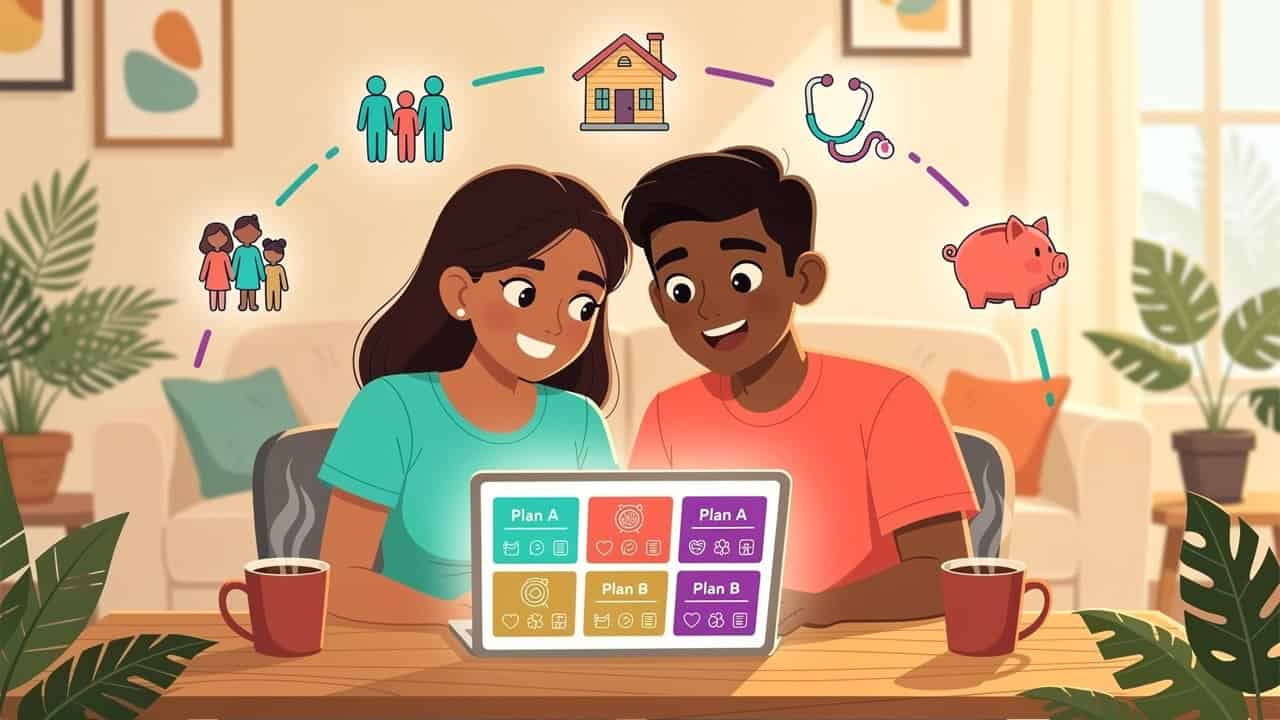
Most major Sri Lankan insurers now let people buy health insurance online from start to finish. I like this method because it is faster, more transparent, and easier to compare than relying only on paper forms or agent visits. As long as someone uses official sites and trusted local resources such as Advice.lk, the process is simple.
Here is a clear step‑by‑step path:
Learn the basics: Spend some time reading independent guides on Advice.lk to understand key terms such as inpatient cover, sub‑limits, and waiting periods. With that base, it is easier to judge whether a flashy offer is really good for you.
Visit official insurer websites: Go to the official website of your shortlisted insurer or insurers. Look for the health or medical insurance section and select the type of plan you need, such as individual, family, or senior citizen.
Enter your details honestly: Fill in names, dates of birth, contact information, and basic medical history. It is very important to answer health questions honestly; hiding information may lead to rejected claims later.
Review the instant quote: Most websites will show an estimated premium. At this point, download or open the detailed policy wording. Pay special attention to the benefits table, hospital room limits, waiting periods, and exclusions.
Clarify doubts: If anything is not clear, call the insurer’s hotline or use live chat before paying. Ask about specific hospitals, pre‑existing conditions, and claim procedures.
Make payment securely: Once satisfied, proceed to payment using a credit card, debit card, or online banking, making sure the payment page is secure (look for “https” and the correct domain).
Save your documents: After successful payment, the insurer usually emails the policy document within a few minutes to 24 hours. Save this email, print a copy for home records, and store a digital copy on your phone or cloud storage.
Share details with family: Give close family members the policy number, insurer contact details, and a photo of the card or e‑certificate so they know what to present at a hospital.
Buying online has several advantages over going only through agents. The process is faster, the person reads the full policy wording themselves instead of just listening to a sales pitch, and it is easier to open several tabs, compare different plans side by side, and spot small differences in cover.
One key reminder: always buy from the insurer’s official website or a well‑known Sri Lankan advisory platform that clearly lists its contact details. Be careful with random links or third‑party sellers whose registration and address are not easy to verify.
How To File A Health Insurance Claim In Sri Lanka

Many people delay buying health insurance because they worry the claim process will be painful. In my experience, claims do need some paperwork, but if you follow simple steps and understand the rules, the process is manageable even in stressful times.
There are two main types of claims:
A cashless claim is used when treatment happens at a hospital inside the insurer’s network. The insurer settles bills directly with the hospital, and the patient only pays non‑covered items.
A reimbursement claim is used when treatment is at a non‑network hospital or when cashless approval is not possible; here, the patient pays first and claims money back from the insurer later.
To file a claim smoothly, I usually recommend:
Inform the insurer early: For a planned admission, call the insurer’s helpline a few days in advance. For emergencies, call as soon as possible after reaching the hospital, usually within 24–48 hours. Share the policy number, hospital name, and basic details of the illness or accident.
Use the hospital insurance desk: At network hospitals, the insurance desk often helps send required forms and reports for cashless approval. Keep your policy card or e‑certificate handy.
Collect all original documents: Always collect hospital bills, payment receipts, discharge summaries, doctor prescriptions, diagnostic reports, and any referral letters. For reimbursement claims, these originals are essential; copies are usually not accepted. Keep them flat and safe, because stains or damage can delay processing.
Fill the claim form carefully: Download the form from the insurer’s website or collect it from a branch. Match spellings, dates, and amounts with the hospital documents.
Submit within the deadline: Send the form and documents within the deadline (often 30 days from discharge), either online (if allowed) or by hand at a branch or service center.
Track claim status: Use the insurer’s helpline, SMS updates, or online portal to track progress. If the insurer asks for clarifications or extra documents, respond quickly.
Common reasons for claim rejection in medical insurance Sri Lanka residents report include:
Claiming for conditions under waiting periods.
Treatment for illnesses never declared on the proposal form.
Missing or unclear documents.
Late submission beyond the allowed deadline.
To avoid these problems, declare health history honestly at the start, read waiting period clauses, keep every bill, and track the claim status until it is fully processed.
“Insurance is the only product that both the seller and buyer hope is never actually used.” — Common industry saying
Conclusion
Choosing the best health insurance in Sri Lanka is not just about picking a famous brand or the lowest price. It means understanding how much protection a person or family really needs, checking what each plan covers and excludes, and then comparing a handful of good options in a calm, informed way.
Private healthcare costs in Sri Lanka are climbing, especially in large cities and for serious conditions. Without cover, one bad week in a private hospital can damage long‑term savings or push a family into debt. With the right policy in place, the same event becomes a medical problem to manage, not a financial crisis.
On Advice.lk, I collect local experiences, verified information, and simple explanations into guides that people can actually use. The content appears in Sinhala, Tamil, and English so that more households, students, expatriates, and foreign workers can read and act on it.
Use Advice.lk to compare your options, read verified local reviews, and make a confident, informed decision about your health coverage in Sri Lanka. Then, once covered, review the policy every year, because both your health needs and the range of Sri Lanka health insurance plans change over time.
FAQs
Question 1: What Is The Best Health Insurance Company In Sri Lanka?
There is no single insurer that fits everyone, because needs and budgets are different. AIA, Ceylinco, and Sri Lanka Insurance Corporation are widely used among residents, while Allianz is popular with expatriates who want higher sums insured. The right choice depends on hospital networks, claim service, and how each plan handles waiting periods and exclusions. I always suggest reading Advice.lk guides and getting quotes from at least two or three insurers before deciding.
Question 2: How Much Does Health Insurance Cost Per Month In Sri Lanka?
For a basic individual plan, monthly cost can start around LKR 1,000–2,000, based on age and coverage level. Comprehensive family health insurance Sri Lanka households buy can range from about LKR 8,000 up to LKR 25,000 or more per month, especially for large sums insured or expatriate plans. Buying when young and healthy usually locks in lower starting premiums.
Question 3: Can Expatriates Get Health Insurance In Sri Lanka?
Yes, most major insurers offer private health insurance in Sri Lanka for expatriates and long‑term foreign workers. Allianz Sri Lanka, in particular, offers plans with higher limits and options linked to international care. Expats should check whether the policy includes emergency evacuation, coverage at preferred local hospitals, and any benefits for treatment in their home country or region.
Question 4: Is There A Waiting Period For Health Insurance In Sri Lanka?
Almost every health insurance policy Sri Lanka insurers sell includes a waiting period. There is usually an initial period of about 30 days during which no claims are allowed, except for accidents. Pre‑existing conditions often have longer waiting times of one to two years, and maternity benefits usually apply only after nine to twelve months of continuous cover. Reading these rules before buying avoids nasty surprises later.
Question 5: What Is The Difference Between Inpatient And Outpatient Health Insurance In Sri Lanka?
Inpatient (IPD) cover applies when a person is admitted to hospital for at least one night or for a planned procedure, and it pays for room, surgery, tests, and medicines during that stay. Outpatient (OPD) cover applies to care without admission, such as doctor consultations, lab tests, and routine medicines. Most affordable health insurance Sri Lanka residents start with is inpatient‑only, while OPD benefits are added later for extra convenience at a higher premium.
