Introduction
This is the best guide for best loan app in Sri Lanka, Last year I sat in a small government hospital in Kurunegala, watching a relative struggle to find money for medicines after midnight. ATMs only gave what was already in the account, banks were closed, and other relatives were half asleep. In that moment I saw why so many people search for the best loan app in Sri Lanka or try an online loan application Sri Lanka instead of waiting for a bank manager the next morning.
Smartphones and cheap data have changed how money moves in Sri Lanka. Now a few taps on a screen can bring several thousand rupees into a bank account within minutes. The best instant loan app in Sri Lanka promises fast cash without visiting a branch, talking to a clerk, or filling a thick form. But that speed comes with a price, and many people do not fully see the real cost until the repayment date arrives.
In this guide I share what I have learned by researching and testing loan apps in Sri Lanka in our local context. I explain how these apps work, which ones are widely used, who they suit, and how to choose safely. I also walk through the risks, scams, cheaper alternatives, and how to avoid getting trapped in a cycle of debt.
I write this for Advice.lk, a Sri Lankan platform that turns confusing money topics into simple, practical advice. My goal is not to promote any lender, but to help anyone reading this choose the right app, or decide not to use one at all, with clear eyes and a calm mind.
Key Takeaways
Loan apps in Sri Lanka give fast, paperless access to cash, often within an hour, using only a phone and basic details. At the same time, they usually charge much higher interest and fees than a normal bank loan, so they should be used only for short-term needs with a clear plan to repay.
Only some loan apps are linked with companies that fall under Central Bank of Sri Lanka (CBSL) rules, while many sit in a grey area. Before trusting any loan app in Sri Lanka, it is wise to check who runs it, whether it is licensed, and how it handles complaints.
For most apps, a valid NIC and a selfie are enough to apply, and no printed salary slip is needed. This makes them feel like the best personal loan app in Sri Lanka for people without formal documents, but it also means the lender may depend on phone data and aggressive follow-up if you miss a payment.
Apps such as OnCredit, Lotus Loan, LoanMe, FastRupee, and CashX are among the well-known names people use for quick cash. Each one has different loan limits, repayment periods, and levels of risk, so the Sri Lanka best loan app for one person may not suit another.
The real number to watch is the Annual Percentage Rate (APR), which combines interest and fees into a yearly rate. Advice.lk offers simple guides that explain APR, loan agreements, and CBSL rules in Sri Lanka, so borrowers can compare options with confidence instead of guessing.
“Rather go to bed without dinner than to rise in debt.” — Benjamin Franklin
That old line feels even sharper when a loan app is only a few taps away.
What Are Loan Apps and Why Are They Booming in Sri Lanka?
Loan apps are mobile applications that give small, short-term, unsecured loans through a smartphone. In the Sri Lankan setting they are often called microloans or nanoloans, because the amounts are usually in the range of a few thousand to tens of thousands of rupees. A person downloads the app, fills an online form, uploads NIC photos and a selfie, and if approved, money lands directly in their bank account.
This is very different from the old-style visit to a bank branch. A traditional personal loan means filling long forms, taking salary slips, bank statements, and maybe guarantors. Approval can take days or even weeks, and smaller loan amounts are not always worth the bank’s time. In contrast, a loan app Sri Lanka can approve a small LKR 10,000 loan in under an hour, often with no face-to-face meeting.
Several local factors pushed this boom:
More Sri Lankans now own smartphones and use mobile internet every day.
Many people work on contract, freelance, or in informal jobs, so they do not always qualify for bank loans.
Sudden costs keep coming — hospital bills, school fees, bike repairs, electricity arrears.
When money is tight and time is short, tapping the best loan app in Sri Lanka feels easier than waiting for a bank officer.
Most of these apps use automated scoring instead of traditional credit checks. They combine information such as age, NIC, employment details, and sometimes data from the phone itself to guess how likely someone is to repay. Some apps look at how often a person changes phones, how long they have used the same number, or even patterns in SMS messages and contact lists. Artificial intelligence and data analysis replace the slow, paper-based checks used by banks.
Loan apps in Sri Lanka usually offer four main types of credit:
Unsecured personal loans for general needs.
Payday-style short loans meant to be paid back with the next salary.
Emergency loans that focus on speed for medical or other sudden events.
Microloans aimed at small traders, gig workers, and freelancers.
In all of these, the loan is unsecured, which means no land, gold, or vehicle is pledged as collateral.
The Central Bank of Sri Lanka does regulate banks and licensed finance companies, and it has warned the public about unsafe online lending. However, many apps work through companies that are not fully under the usual banking rules.
Speed and convenience are the biggest reasons people use these apps, but the real cost of that speed is often much higher than they expect at first glance.
Best Loan Apps in Sri Lanka – My Honest, App-by-App Review
When people ask me about the best loan app Sri Lanka has right now, I always say the same thing. No single app is perfect for everyone, and every app becomes dangerous if used without a clear plan. For this section I looked at loan ranges, repayment periods, fees, user feedback, and how clear each app is about its terms.
I am not paid by any of these apps. My aim is to help readers of Advice.lk compare options calmly before pressing “Apply.” If someone still feels unsure after reading, I always suggest using Advice.lk guides to first understand APR, CBSL rules, and what a safe online loan agreement should look like.
Here is a simple comparison to start with, and for a broader view of the lending landscape, you can also refer to the top 10 online lending platforms reviewed for 2025. These details can change, so treat this as a rough guide and always check the latest numbers inside each app.
App Name | Typical Loan Range (LKR) | Usual Repayment Period | Minimum Age | Salary Slip Required | Approx. Play Store Rating* |
|---|---|---|---|---|---|
OnCredit | 2,000 – 50,000 | 7 – 30 days | 20 | Not usually | Around 4 stars, varies |
Lotus Loan | 5,000 – 80,000 | 91 – 180 days | 22 | Often yes | Around 4 stars, varies |
LoanMe | 4,000 – 50,000 | 7 – 30 days | 18 | Not usually | Around 4 stars, varies |
FastRupee | 2,000 – 50,000 | 61 – 90 days | 20 | Not usually | Around 4 stars, varies |
CashX | 2,000 – 50,000 | Up to about 30 days | 20 | Not usually | Around 4 stars, varies |
*Ratings move up and down over time. Always read recent reviews before deciding.
If all this feels confusing, remember that Advice.lk has step-by-step explainers on personal loans, interest calculations, and CRIB, written in simple, Sri Lanka-focused language.
Advice.lk – Your First Stop Before Borrowing
Before picking any loan app in Sri Lanka, I always recommend spending a few minutes on Advice.lk. Advice.lk is not a lender and does not give loans. It is a Sri Lankan financial education platform where I and other writers break down banking rules, loan types, and interest in clear, friendly terms.
On Advice.lk you find guides that compare different ways to borrow money in Sri Lanka, from bank loans and leasing to microfinance and card use. We explain how flat and reducing interest work, how to read a loan agreement, and what CRIB really tracks. When a new best loan application in Sri Lanka becomes popular, we look at its terms, read user reviews, and help readers understand the risks and benefits in plain language.
The main value of Advice.lk is that it stays independent. I do not earn more if someone clicks on OnCredit or FastRupee. That means I can say clearly when a loan product is expensive or risky. I also write in simple English that is friendly for Sinhala and Tamil speakers, without heavy banking jargon.
So my simple rule is this: before downloading any loan app that claims to be the best online loan app in Sri Lanka, open Advice.lk in a browser, search for our loan guides, and read what the terms really mean. Five or ten minutes of reading there can save months of stress later.
OnCredit Sri Lanka
OnCredit is one of the better-known quick loan apps in Sri Lanka. It mainly targets salaried workers and small business owners who suddenly need a few thousand rupees before their next income comes in. The app is highly automated, and decisions often arrive within a short time, which is why many people name it when they talk about the best loan app in Sri Lanka for pure speed.
Loan amounts usually start around LKR 2,000 and can go up to about LKR 50,000, but first-time users often receive a lower limit. The repayment period is short, generally between 7 and 30 days. This makes sense for a quick cash gap, but it also means that the full amount, plus interest and fees, hits your account very soon after you borrow. To apply, a person must be a Sri Lankan citizen between roughly 20 and 60 years old, have a valid NIC, some form of steady income, and an active bank account.
The application process sits fully inside the app. After registering a mobile number, a borrower fills in basic personal and work details, then uploads clear photos of the NIC and a selfie. The app’s system checks these, runs its internal scoring, and shows an offer with the amount, repayment date, interest, and fees. The combined rate, when turned into APR, is usually quite high compared with bank loans, and late payment charges can add up quickly.
As with any lender, it is wise to check which company operates OnCredit and whether that company appears on the CBSL list of supervised institutions before sharing sensitive data.
In my view, OnCredit works best only for real emergencies where the amount is small, the income is steady, and the repayment plan is clear from day one. I would not use it for shopping, travel, or any long-term need, because the short window and high APR can put heavy pressure on the next salary.
Lotus Loan
Lotus Loan tries to stand out by giving more time to repay and slightly higher loan ceilings. It markets itself to a broad group of Sri Lankan residents, especially salaried employees who want a few months, rather than a few days, to clear their debt. For someone comparing options for a best personal loan app in Sri Lanka, that longer breathing space can be attractive.
The typical loan range runs from around LKR 5,000 up to about LKR 80,000, depending on the borrower’s profile. Unlike seven-day payday apps, Lotus Loan often offers terms between 91 and 180 days. That longer period spreads repayments over several pay cycles, which can be much easier on a monthly budget, especially when the borrowed amount is on the higher side.
Eligibility is a bit tighter here. Borrowers usually need to be at least 22 years old and not above their mid-fifties, hold Sri Lankan residency, and show regular income. In many cases that means providing some proof of employment or bank activity. Interest is calculated on a daily basis, and when combined with fees into APR, it still ends up higher than a bank personal loan. However, the clear breakdown inside the app lets borrowers see how much they must repay each month before they confirm.
My personal reading is that Lotus Loan suits someone with a steady job who needs more than a tiny top-up and wants time to repay without suffocating their next salary. It is still expensive credit, but the longer term can make it safer than a seven-day loan, as long as the person counts the full cost and does not treat it like free money.
LoanMe
LoanMe is often mentioned in social media groups when people ask about the best instant loan app in Sri Lanka for very small, very urgent needs. Its main selling point is a low entry barrier. The app usually accepts applicants from 18 years upward, as long as they are Sri Lankan citizens with a valid NIC and some source of monthly income, even if it is informal.
Loan amounts tend to start around LKR 4,000 and can go up to about LKR 50,000 over time. Repayment periods are short, often between 7 and 30 days. For someone who just needs to cover a sudden phone repair or a medicine bill, that may be just enough. But for bigger expenses, a one-month window can turn into a heavy weight, especially when the next income is already committed.
The process is very fast and fully digital. After registering and filling personal and income details, the user uploads NIC photos, and the app’s system gives a quick answer. Fees and interest are combined into a high APR, which reflects the short term and lack of collateral. Some borrowers online have complained about strong collection tactics when they fall behind, including frequent calls and pressure on emergency contacts.
Because LoanMe is easy to access, students and part-time workers sometimes see it as one of the best loan apps for students in Sri Lanka. I understand the attraction, but I also see the danger. A short, high-cost loan that is taken without a clear repayment plan can trigger repeated borrowing just to stay afloat.
Warning — Several borrowers have reported that missing payments led to collection agents calling the reference numbers they provided. Anyone using LoanMe should borrow only if they are very confident they can repay on time.
FastRupee
FastRupee focuses on simplicity and a slightly longer repayment window compared with pure payday apps. It targets Sri Lankans over 20 who may not qualify for bank credit but still hold a regular income and a bank account. The app itself is fairly light, so it runs even on cheaper smartphones with weaker data connections, which is one reason many people outside major cities use it.
Typical loan amounts range from about LKR 2,000 to LKR 50,000, though first-time users often receive a smaller limit. Repayment periods are usually between 61 and 90 days. That two- to three‑month window gives more space than a seven-day loan and can match better with a person’s salary cycle, especially when they borrow more than LKR 10,000.
To apply, a borrower provides NIC details, income information, and bank account data, then uploads NIC photos and a selfie inside the app. FastRupee discloses interest and service fees before the borrower accepts, but when these are converted to APR, the rate is still high compared with bank credit. The app, like many others, may read certain data from the phone to help score applications, which raises privacy questions for some users.
From my side, I see FastRupee as a possible starting point for someone trying a Sri Lankan loan app in Sri Lanka for the first time, especially if they want more than one salary cycle to repay. It still should be used with respect. Borrowers need to read all terms, calculate the total amount due, and avoid taking a second loan to clear the first.
CashX Sri Lanka
CashX is another instant cash app that aims to stand out by talking more about data security and customer support. It is aimed at Sri Lankan citizens who need quick money for clear short-term needs and who plan to repay within about a month. For returning users, the app often makes the repeat process easier, which can feel tempting.
Loan amounts usually start from around LKR 2,000 and can go up to LKR 50,000, with higher limits sometimes offered to repeat borrowers who pay on time. Repayment periods are often around 30 days for first-timers, with some flexibility later. CashX tends to show a full breakdown of principal, interest, and service fees before disbursement, so borrowers can see the exact final figure they must pay back.
The app uses its own scoring system to assess risk and says it focuses strongly on security of user data. It also provides several channels for customer help, such as in-app chat or email, which can matter when a borrower faces a problem close to the due date. Even so, the APR remains high because the loans are short term and unsecured.
In my opinion, CashX may be worth looking at for someone who plans to borrow more than once and values clear communication and support. However, that same repeat-borrowing design can be risky if the person keeps rolling over loans instead of fixing the budget issues that caused the cash shortage in the first place.
How to Apply for a Loan App in Sri Lanka – Step-by-Step
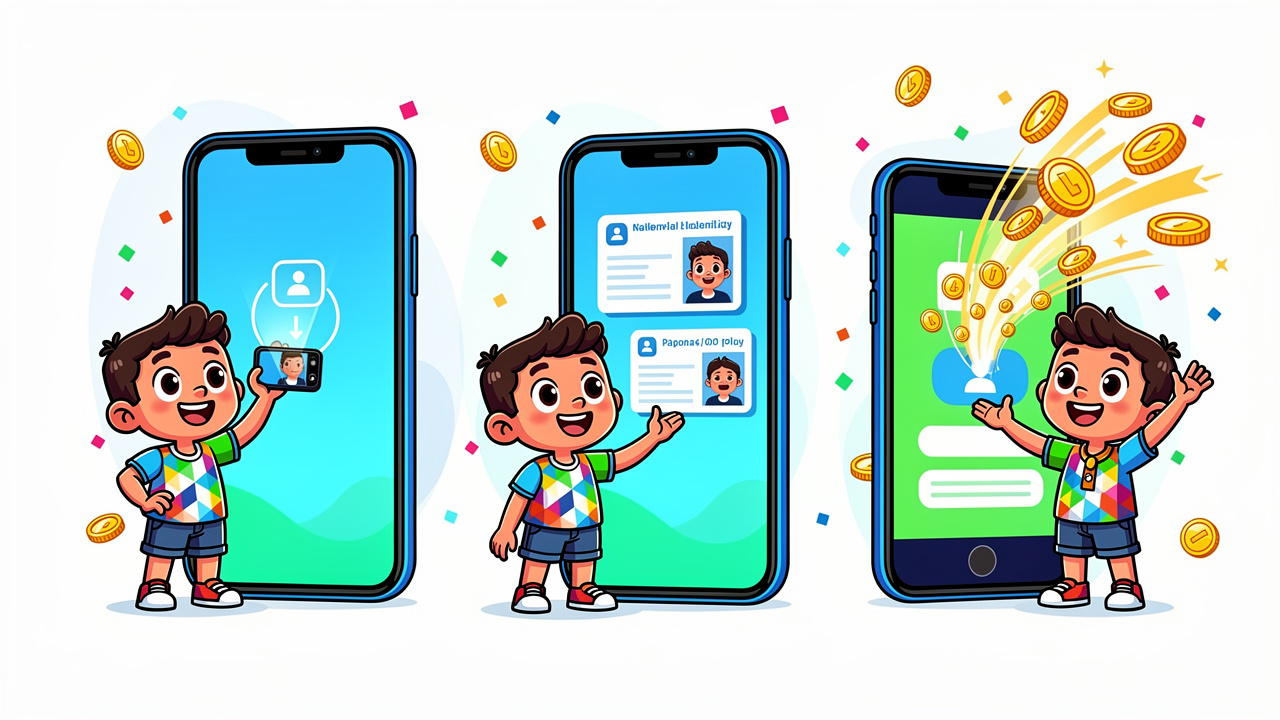
For anyone new to this, the idea of an online cash loan apply Sri Lanka process can seem scary. In practice, most apps follow a similar path, and once that is understood, the fear usually drops. I have broken the typical steps into a simple flow that covers most major players in the loan app Sri Lanka space.
Before you start, it helps to open Advice.lk and read a short checklist on interest, fees, and data privacy. Going in prepared makes every step below safer.
Choose and Download the App
First, decide which app matches your need, amount, and repayment ability, using the comparison and reviews above and the explainer content on Advice.lk. Then go only to the official Google Play Store or Apple App Store and search for that exact name. Installing random APK files from unknown websites brings real risk of malware and data theft. Taking two extra minutes here is far better than handing your NIC details to a fake app.Create Your Account
Open the app and start the registration process by entering your mobile number. The app will send a One‑Time Password (OTP) by SMS to confirm that the number is yours. After entering the OTP, you will be asked to set a PIN or password, so choose something that is not easy to guess and do not share it with anyone.Review and Grant App Permissions
Every app will ask for certain permissions, such as camera access, which is needed for taking NIC photos. Read these carefully before pressing allow. I personally try to avoid loan apps that demand full access to contacts, gallery, or constant location tracking, because those are often used for pressure if a borrower misses payments.Fill In the Application Form
Next, you fill in personal details such as full name, NIC number, date of birth, and home address. The form will also ask where you work, your monthly income, and sometimes how long you have been in that job. You then add your bank name, branch, and account number, because that is where the money will go if you are approved.Upload Required Documents
Using the phone camera, you take clear photos of the front and back of your NIC. Most apps also ask for a live selfie taken inside the app, so they can match your face against the NIC photo. For larger loans, some apps may request extra proof like a recent bank statement uploaded as a photo or PDF.Add Emergency Contact Details
Many apps want one or two reference contacts, usually close friends or family, along with their phone numbers. These people should know that you are adding their details, because some apps call them during verification or if they cannot reach you later. I always suggest choosing contacts who are responsible and who you trust to handle such calls calmly.Select Loan Amount and Repayment Term
After basic checks, the app will show a maximum amount you qualify for at that moment. You then choose how much you actually want to borrow and how long you plan to take to repay. On this screen the app must show the principal, interest, fees, and total repayable amount, so take your time and do not rush past this.Read and Accept the Loan Agreement
Before final approval, you will see a digital loan agreement with all the terms. It is tempting to just tick the box and continue, but this is the moment that truly matters. Read about late payment penalties, extension fees, collection methods, and any right the lender has to contact your workplace or references.Receive Funds in Your Bank Account
Once you press accept, the app completes its checks and, if all is fine, sends the money to your bank account. For many people the entire online loan apply Sri Lanka process, from download to money in account, takes less than an hour, though some cases can take longer if extra checks are needed.
For most clear applications, Sri Lankan loan apps can move from first download to money in the bank in under one hour, especially for smaller amounts.
After going through these steps, it helps to remember the basic documents and details almost every app will need:
A valid Sri Lankan NIC, with clear photos of both front and back, so the lender can verify identity, age, and citizenship. This is the main document and must be unexpired, clean, and easy to read for the system and any human staff who review it.
A real-time selfie taken inside the app, matching the NIC photo closely enough for automated checks to work. Good light and a steady hand make this smoother and reduce the chance of rejection just because the image is unclear.
An active personal bank account, held in your own name with a licensed Sri Lankan bank. The account must be able to receive transfers, and keeping a little minimum balance there helps prevent unexpected issues when the app tries to send money.
An active Sri Lankan mobile number that stays with you most of the time, not a spare SIM used once in a while. The lender uses this number for OTPs, important reminders, and sometimes collection calls if there is a delay.
Basic employment and income information, such as employer name, job type, and average monthly income. Even when a physical salary slip is not requested, this information shapes your limit and shows whether the app might work as the best personal loan app in Sri Lanka without salary slip for your situation.
Emergency or reference contacts, with full names and phone numbers, who are likely to pick up calls during normal hours. Since some apps contact these people if you miss a payment, it is wise to explain this to them before entering their details.
For students, freelancers, and gig workers, the lack of a strict salary slip requirement is one reason these apps feel like the best loan apps for students in Sri Lanka. On Advice.lk I regularly explain how to read these agreements line by line, so borrowers can check all these steps with confidence before pressing any final button.
How to Choose the Best Loan App in Sri Lanka – 6 Critical Factors
With so many apps shouting that they are the best online loan app in Sri Lanka, it is easy to pick based on the flashiest advertisement. I always tell readers not to do that. A simple frame with six checks can help anyone compare lenders calmly, and in this section I walk through those points one by one.
Factor 1 – Always Compare APR, Not Just the Daily Rate
Many apps display interest as a daily or monthly percentage that sounds tiny at first glance. A daily rate of 0.5 percent seems harmless until we remember there are roughly 365 days in a year. When we do the math, that small-looking figure can turn into an APR well above 180 percent over twelve months. It is better to ask the lender for the APR or use an online calculator to turn short-term rates into a yearly number.
For example, a LKR 10,000 loan at 1 percent per day over 30 days means about LKR 3,000 in interest for just one month, which is far from cheap.
Factor 2 – Scrutinize All Fees — Not Just Interest
Interest is only one part of the real cost of a loan app. Many lenders also charge processing fees, service fees, and technology or account handling charges that together add a lot. A processing fee is often taken out before the money reaches your bank, so if you truly need LKR 10,000 and there is a 10 percent fee, you will receive only LKR 9,000 but still owe the full LKR 10,000 plus interest. Some apps even promote “zero interest” while using heavy service fees that act like hidden interest, so reading the full breakdown is vital.
Factor 3 – Match Repayment Period to Your Income Cycle
The best loan app in Sri Lanka for any person is the one whose repayment date fits their cash flow. A seven-day loan is very risky for someone who is paid monthly, because they might have no fresh income before the due date. I usually advise looking for 60‑ to 180‑day terms for loans over about LKR 10,000, so that at least two or three paydays arrive before the loan ends. Matching the schedule to real-life income reduces the chance of rolling one loan into another just to keep up.
Factor 4 – Verify CBSL Licensing or Regulatory Affiliation
Before trusting any lender with personal data and NIC information, it is wise to find out who runs the app. Many safer apps are owned by companies that hold a license from the Central Bank of Sri Lanka as a non-bank financial institution, or they partner with one. You can cross‑check the company name on the CBSL website list of authorized institutions, not just trust the marketing claims inside the app. A regulated lender comes under Sri Lankan law for interest, data protection, and debt collection, while an unregulated one may ignore basic consumer rights without much fear of action.
Factor 5 – Check App Reviews — Specifically for Collection Complaints
Play Store ratings for a loan app in Sri Lanka can look strong at first, but the real story often hides in the most recent written reviews. I always scan for words about harassment, constant calling, or contacts being called and shamed. It helps to filter for the latest comments, because policies can change over time, and a four‑star average rating may still hide many new complaints. If dozens of people mention hidden fees or rude collection calls, that is a sign to step back, even if the interest rate looks low.
Factor 6 – Evaluate Customer Support Quality
Good customer support is worth a lot when money is involved. A serious lender will list a local phone number, an email address, and often a physical office address in Sri Lanka. Before borrowing, sending a simple question to support and watching how fast and how clearly they reply can reveal a lot. If there is no way to reach a real human or messages go unanswered, I would not trust that app with something as sensitive as my NIC and bank details.
The Real Risks of Loan Apps in Sri Lanka – What Nobody Tells You

I want to be very honest here. Loan apps are one of the most expensive ways to borrow money in Sri Lanka, even if they feel like the easiest. They can help in a real emergency, but they can just as easily push someone into a deep hole of debt if they are used carelessly.
The most common danger is the debt trap. Imagine someone borrows LKR 10,000 for 30 days and owes LKR 13,000 after adding interest and fees. If they cannot pay on time, late charges might push that to LKR 15,000 or more. To cover this, they take another loan from a second app, then a third, and soon they are juggling multiple due dates with no clear way out. I have seen real cases where people pay back more in fees than they ever received in cash.
Data privacy and aggressive collection practices form another serious risk. Many apps ask for broad permissions when installed, including access to contacts, SMS inbox, and sometimes the gallery. Later, if a borrower misses a payment or switches off their phone, collection agents may use this data to pressure them. Reports from Sri Lankans include agents calling every number in the contact list, sending harsh messages, and even threatening to share edited images if the person does not pay.
Several warning signs can help spot unsafe lenders early:
Red flag: when any app asks for an upfront payment before approval, calling it a processing charge or deposit. Real lenders usually take such amounts from the loan itself or add them to the repayment amount, rather than asking people to send money first and hope a loan appears later.
Red flag: when marketing says “guaranteed approval for everyone” without checking income or documents. Every serious lender needs some way to measure repayment ability, and strong claims of guaranteed cash often hide high fees or scam behavior.
Red flag: when the company has no clear office address, no working support number, and only a free email or chat handle. If something goes wrong, it becomes almost impossible to find a real person to answer questions or fix errors.
Red flag: when the app looks poorly made, with many spelling mistakes and random screens that seem copied from other services. While design alone does not prove a scam, a careless app often reflects careless handling of money and data too.
Red flag: when the app keeps asking for permissions that have nothing to do with lending, such as constant access to all gallery photos or social media accounts. Such access can later be used to shame or threaten borrowers if they fall behind.
Red flag: when you are given no chance to see and save a proper loan agreement before money hits your bank account. A genuine lender will always show full terms and ask for consent before disbursing funds.
Red flag: when staff push you to accept quickly, saying the offer ends in a few minutes or that you will miss a rare chance. When money is involved, time pressure is a sign to slow down, not to hurry.
The Central Bank of Sri Lanka has already warned the public about unauthorized digital lenders and urged people to rely on licensed financial institutions for credit.
The Central Bank of Sri Lanka has publicly advised that people should obtain financial services only from institutions under its supervision and control.
Another point many people miss is the link with CRIB, the Credit Information Bureau of Sri Lanka. Many unregulated apps do not report to CRIB, so taking a loan from them does not help build an official credit record. Licensed apps and finance companies, on the other hand, may report both on-time payments and defaults. That means missing payments there can damage a person’s chances of getting a housing or vehicle loan later.
Because of all this, my strongest advice on Advice.lk is simple. Treat loan apps as a last-choice tool for real emergencies, not as a normal part of monthly spending. Use our financial literacy guides to learn how to check interest, spot red flags, and protect your data before tapping “I Agree.”
Alternatives to Loan Apps in Sri Lanka – Cheaper Options Worth Considering

Before locking into a high-interest app, I always encourage readers to explore safer, cheaper paths first. In many cases something else will match the need better, especially if the expense is planned or can wait a few days. The best loan app in Sri Lanka for one person may be no app at all for another.
Whenever you compare these options, using Advice.lk as a reference point can help you weigh the total cost, paperwork, and risk side by side.
Traditional Bank Personal Loans (Commercial Bank, HNB, Sampath Bank and Others)
Personal loans from commercial banks usually offer much lower interest rates and far longer repayment periods than any app. They are well suited for bigger needs like education, home repairs, or medical treatments that require months or years to repay. The main downside is the heavier paperwork and stricter rules around salary, job type, and CRIB history. For someone with stable employment and patience to wait for approval, this remains one of the safest options.Credit Cards
A credit card gives instant access to a pre-approved limit and often includes an interest-free period if the full bill is paid before the due date. For planned spending, such as buying a phone or paying a hospital bill, this can be cheaper than a short, high-fee loan app. The risk is that unpaid balances attract high card interest, and many people end up paying only the minimum due, which drags the debt for years. Anyone using a card must be disciplined enough to clear the full amount as often as possible.Employer Salary Advance Schemes
Many medium and large employers in Sri Lanka allow staff to request part of their next salary in advance. Sometimes this is interest-free, and sometimes there is only a small administrative charge deducted from the next pay. Because the money comes from the employer, there is no need to share NIC copies or contacts with a third‑party lender, and no outside collection agents get involved. This path works well for salaried workers who face a one‑off cash shortfall and have a good relationship with their HR or finance department.Co-operative Societies and Rural Development Banks
For people in rural or semi‑urban areas, co‑operative societies and rural banks linked to the community can provide reasonable-rate loans. Members often enjoy friendlier terms, with staff who know their real situation instead of just reading a screen score. The trade‑off is that membership rules apply, and the process may still involve physical visits and paperwork. For many, especially older relatives, this personal touch feels safer than using a phone app.Microfinance Institutions (MFIs)
Microfinance providers focus on small traders, self‑employed workers, and low‑income households. They can be more open to people without formal salary slips, offering loans for stock, equipment, or simple home needs. Interest can still be on the higher side, and some MFIs use group lending models where peers share responsibility, so it is important to read terms clearly. Advice.lk carries content on microfinance as well, to help people see when it helps and when it may hurt.Friends and Family
Borrowing from trusted relatives or close friends is often the cheapest way to cover a small emergency. Many will not charge interest, and repayment terms can be flexible as long as communication stays honest. The main risk is harm to relationships if a borrower delays without explaining or treats the help carelessly. I always suggest writing down even informal agreements, so both sides remember what was promised and when.
If someone feels stuck between these paths and loan apps, Advice.lk has guides that walk through each choice with Sri Lankan examples. Reading those can make it much clearer whether an app is truly the best fit, or whether a calmer, cheaper option is still open.
Conclusion
Loan apps have filled a real gap in Sri Lanka by giving fast access to cash when banks move slowly. Used wisely, they can help pay a medical bill, fix a vehicle, or keep a utility from being cut off. Used carelessly, they can drain future income through heavy fees, short deadlines, and stressful collection calls.
In this guide I walked through major options like OnCredit, Lotus Loan, LoanMe, FastRupee, and CashX, each with its strengths, limits, and risks. I also shared how to choose the best loan app in Sri Lanka for a given situation by looking at APR, fees, CBSL links, user reviews, and support quality. At the same time, I pointed to cheaper and safer alternatives such as bank loans, salary advances, co‑operatives, and careful borrowing from people you trust.
My closing advice is simple. Borrow only what you really need, read every part of the agreement, and never take a new loan just to pay an old one. Advice.lk exists to help Sri Lankans make these choices with clear information instead of guesswork.
Borrow smart, borrow only what you need, and always read what you are signing. For more simple guides on managing money and credit in Sri Lanka, visit Advice.lk and learn before you tap “Accept.”
FAQs
Question 1 – Are Loan Apps Legal in Sri Lanka?
Many loan apps operate in a grey zone rather than under full banking rules. They are not banned as such, but they may not hold a formal license from the Central Bank of Sri Lanka. The CBSL has warned people to use only licensed financial institutions, so it is wise to check whether the company behind an app appears on the official list of authorized lenders.
Question 2 – Can I Get a Loan App in Sri Lanka Without a Salary Slip?
Yes, most major apps do not insist on a printed salary slip. They rely on NIC photos, a selfie, basic income details, and sometimes a look at recent bank activity. That is why many people think of them when they search for the best personal loan app in Sri Lanka without salary slip, especially if they work freelance or part time.
Question 3 – What Is the Best Loan App in Sri Lanka for Students?
Students with some form of side income often turn to apps with low entry barriers, such as LoanMe or FastRupee. These apps usually accept applicants from 18 years upward and may not require formal job letters. However, the APR is high, so I only see them as best loan apps for students in Sri Lanka when there is a true emergency and a clear way to repay quickly.
Question 4 – How Quickly Will I Receive the Money After Applying?
For a clear profile with proper documents, many apps send money within 15 minutes to a few hours after approval. The entire process, from download to funds arriving in the bank, can often be completed within one hour. Delays can happen if photos are unclear or extra checks are needed, so it is safer not to wait until the last minute.
Question 5 – Will Using a Loan App Affect My CRIB Score in Sri Lanka?
If the lender is unregulated and does not report to CRIB, your borrowing there usually does not show on your official record. Licensed lenders and finance companies that are CRIB members will report both timely payments and missed ones. This means good behavior can help, but defaults can make it harder to get bank loans in the future, which is why it is important to know which type of lender you are dealing with.
Question 6 – What Should I Do If I Cannot Repay My Loan App on Time?
The worst step is to stay silent and hope it goes away. Contact the lender before the due date, explain your situation honestly, and ask whether any short extension or new plan is possible. Avoid taking a fresh loan from another app just to cover this one, because that is how the debt spiral begins and grows larger with every month.
