What is Web Development earning method?
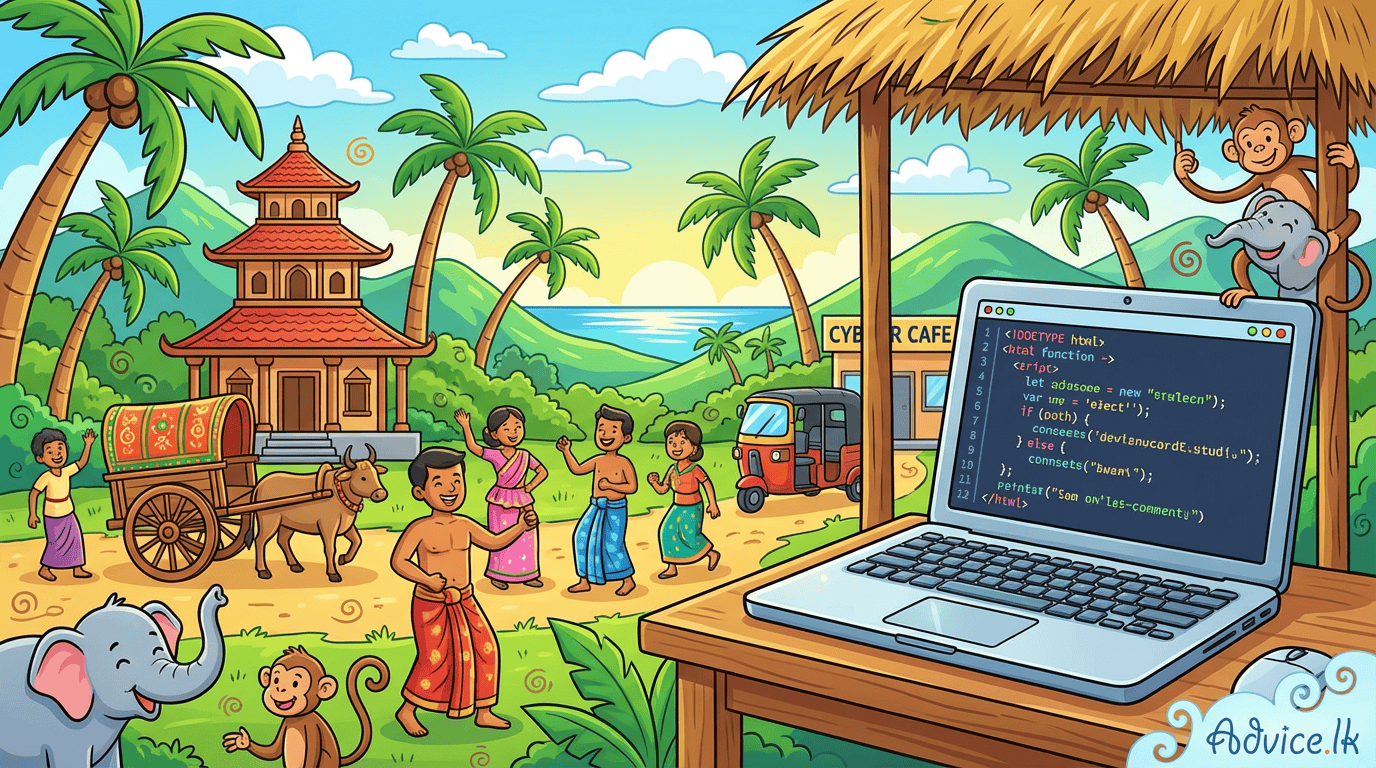
Web development is the work of building websites and web applications that people use on the internet. When you visit any website—a news site, an online shop, a company page, or a social media platform—a web developer built it. Web developers write code that tells browsers like Chrome or Firefox how to display pages, handle user actions, and connect to databases that store information.
There are different types of web development work.
- Front-end development focuses on everything users see and interact with—buttons, menus, text, images, and layouts.
- Back-end development handles the hidden parts—servers, databases, and the logic that makes websites actually work.
- Full-stack developers do both front-end and back-end work, making them highly valuable in the job market.
Web development is a completely legitimate way to earn money. Companies, businesses, and individuals around the world need websites and web applications.
This demand is not slowing down. Every new business needs an online presence. Every existing company wants better digital solutions. This creates constant job opportunities and freelance projects for skilled developers.
For people in Sri Lanka, web development offers a realistic path to earn in LKR or even in foreign currencies like USD. Many Sri Lankan developers work for local software companies in Colombo and other cities. Others work remotely for international clients and companies, earning significantly higher pay.
The skills you learn are globally recognized, meaning your career is not limited to the Sri Lankan job market. With a laptop, stable internet, and genuine effort to learn, web development is one of the most accessible high-income career paths available to Sri Lankans today.
What is the Earning Potential For It?
- Beginner Web Developer (0–1 year experience): If you work for a Sri Lankan company, expect a starting salary between LKR 50,000 to LKR 100,000 per month. Freelance beginners may earn less initially—around LKR 20,000 to LKR 50,000 per month—while building a portfolio and finding clients. Remote work for international clients is difficult at this stage without a strong portfolio.
- Intermediate Web Developer (1–3 years experience): Local salaries typically range from LKR 100,000 to LKR 250,000 per month depending on your skills and the company. Developers with React, Node.js, or full-stack skills earn toward the higher end. Freelancers at this level can earn LKR 150,000 to LKR 400,000 monthly if they secure consistent international clients through platforms like Upwork or direct outreach.
- Expert Web Developer (3+ years experience): Senior developers at established Sri Lankan software companies earn between LKR 300,000 to LKR 600,000 per month. Those working remotely for foreign companies or as full-stack contractors can earn LKR 500,000 to LKR 1,500,000+ per month. At this level, your skills, reputation, and ability to find high-paying clients or employers determine your ceiling.
- Important reality check: These numbers require real skills, consistent work, and time to build experience. You will not earn LKR 300,000 in your first month. Most beginners take 6–12 months of serious learning before landing their first paid job or client. Income growth depends entirely on how fast you improve your skills and how well you market yourself.
How it works?
How web developers create value: Businesses and individuals need websites and web applications to sell products, share information, provide services, or connect with customers. They do not have the technical skills to build these themselves. Web developers fill this gap by writing the code that turns ideas into working digital products. The value you provide is your ability to create something functional and useful that clients cannot create on their own.
How the work actually happens: A client or employer gives you requirements—what they want the website to do, how it should look, what features it needs. You then plan the structure, write the code, test everything, and deliver a working product. For front-end work, you use languages like HTML, CSS, and JavaScript to build what users see. For back-end work, you use languages like PHP, Python, or Node.js to handle data, user accounts, payments, and other behind-the-scenes logic. Full-stack developers handle both sides of this process.
How money flows to you: There are three main ways web developers in Sri Lanka get paid. First, you can work as an employee at a software company or agency. You receive a fixed monthly salary in LKR, usually paid to your local bank account. Second, you can work as a freelancer, finding clients on platforms like Upwork, Fiverr, or through direct outreach. Clients pay per project or per hour, often in USD. Third, you can work remotely for a foreign company as a contractor or full-time remote employee. This typically pays the highest rates.
How Sri Lankans receive international payments: For freelance or remote work paying in USD or other foreign currencies, you need a way to receive money. Common options include Payoneer, which lets you receive payments and withdraw to Sri Lankan bank accounts in LKR. Some developers also use Wise (formerly TransferWise) or direct bank wire transfers for larger amounts. PayPal has limited functionality in Sri Lanka—you can receive payments but withdrawing requires workarounds. Always confirm payment methods before starting work with international clients.
Skills & Resources Needed?
Technical skills you must learn: At minimum, you need to know HTML (the structure of web pages), CSS (the styling and layout), and JavaScript (the programming language that makes websites interactive). These three form the foundation of all web development. As you progress, you will need to learn a front-end framework like React, Vue, or Angular. For back-end work, you need a server-side language such as Node.js, PHP, or Python, plus database skills using MySQL or MongoDB. Full-stack developers learn both front-end and back-end technologies together.
Non-technical skills that matter: You need problem-solving ability—web development is mostly about figuring out why something is not working and fixing it. You need self-learning discipline because technologies change constantly and no course teaches everything. You also need basic communication skills to understand client requirements, explain your work, and negotiate pay. For freelancing, you need the ability to market yourself, write proposals, and manage your own time without a boss watching you.
English level required: You need functional English—enough to read documentation, watch tutorials, write emails to clients, and understand error messages. Most coding resources, job postings, and client communication happen in English. You do not need perfect grammar or native fluency, but you must be comfortable reading and writing in English daily. If your English is weak, improving it alongside your coding skills is essential.
Devices needed: You need a laptop or desktop computer. A basic laptop with at least 4GB RAM works for learning HTML, CSS, and JavaScript. However, for serious development work—especially with React, Node.js, or running multiple applications—you need 8GB RAM or more. A second monitor is helpful but not mandatory. Mobile phones are not suitable for web development work. You cannot code professionally on a phone.
Internet requirements: You need a stable internet connection to access documentation, download tools, push code to GitHub, and communicate with clients or employers. Speed matters less than stability—a consistent 10 Mbps connection is enough for most work. Frequent disconnections will slow your learning and frustrate clients during calls. If your home internet is unreliable, consider backup options like mobile data or working from locations with better connectivity.
Other resources: You need a code editor—Visual Studio Code is free and widely used. You need a GitHub account to store your code and show your work to employers or clients. You need access to learning platforms like freeCodeCamp, YouTube, or paid courses. Beyond this, the main resource you need is time—consistent daily practice over months, not a few hours on weekends.
How to Get Started?
- Step 1 — Decide your learning path: Choose whether you want to focus on front-end development, back-end development, or full-stack development. For most beginners, starting with front-end is easier because you see visual results quickly. Full-stack takes longer but makes you more employable. Make this decision before you start so you do not waste time jumping between random tutorials.
- Step 2 — Set up your computer: Download and install Visual Studio Code (free code editor) from the official website. Install Google Chrome for testing websites using its developer tools. Install Git for version control—this lets you track changes and is required for professional work. Create a free account on GitHub to store your projects online. These tools cost nothing and are industry standard.
- Step 3 — Learn HTML and CSS first: Spend 2–4 weeks learning HTML (how to structure content) and CSS (how to style and position elements). Build at least 3–5 simple static web pages—a personal profile page, a basic landing page, a simple blog layout. Do not move forward until you can build a basic webpage from scratch without copying code.
- Step 4 — Learn JavaScript fundamentals: Spend 4–8 weeks learning JavaScript basics—variables, functions, loops, arrays, objects, DOM manipulation, and events. Build small interactive projects like a calculator, to-do list, or quiz app. JavaScript is the hardest part for beginners. Take your time. Rushing here will cause problems later.
- Step 5 — Learn a front-end framework: Once JavaScript basics are solid, learn React—it is the most in-demand framework in Sri Lanka and globally. Spend 4–6 weeks understanding components, state, props, and hooks. Build 2–3 projects using React, such as a weather app or a simple e-commerce product page.
- Step 6 — Learn back-end basics (optional but recommended): If you want full-stack skills, learn Node.js and Express for server-side programming. Learn how to connect to databases using MongoDB or MySQL. Build a complete project with user login, data storage, and front-end connected to back-end. This takes another 6–10 weeks of focused learning.
- Step 7 — Build a portfolio: Create a simple personal website showcasing 4–6 of your best projects. Include project descriptions, screenshots, and links to live demos and GitHub code. This portfolio is what employers and clients will judge you on. Without it, you cannot prove your skills to anyone.
- Step 8 — Create accounts on job and freelance platforms: Sign up on LinkedIn with a professional profile highlighting your skills and projects. Create accounts on Upwork and Fiverr if you want freelance work. For local jobs, register on Sri Lankan platforms like TopJobs.lk, Ikman.lk jobs, and JobsInSriLanka.com. Set up a Payoneer account now so you are ready to receive international payments later.
- Step 9 — Apply for jobs or send freelance proposals: Start applying even if you feel not fully ready. Apply to junior web developer positions at Sri Lankan software companies. Send proposals on Upwork for small projects matching your skill level. Your first job or client will likely pay less than you want—accept it for the experience and portfolio proof.
- Step 10 — Keep learning and improving: Your first job is not the end. Continue learning new technologies, building projects, and improving your skills. Move to better-paying jobs or higher-paying clients as your experience grows. Web development careers are built over years, not weeks.
How You Can Start Learning Web Development Skills?
Free Learning Resources
These resources cost nothing and are high quality enough to take you from zero knowledge to job-ready skills if you follow them seriously.
- freeCodeCamp (freecodecamp.org): A complete free curriculum covering HTML, CSS, JavaScript, React, Node.js, and more. You learn by building projects and earn certificates. This is the most recommended free resource for beginners worldwide. Start with the Responsive Web Design and JavaScript Algorithms certifications.
- The Odin Project (theodinproject.com): A free full-stack curriculum that teaches you like a real developer—using documentation, building projects, and solving problems yourself. It is more challenging than freeCodeCamp but produces stronger developers. Choose the Full Stack JavaScript path for modern skills.
- YouTube channels: Channels like Traversy Media, Web Dev Simplified, Net Ninja, and Fireship offer free tutorials on nearly every web development topic. Use these to supplement structured courses or learn specific technologies. Search for project-based tutorials to practice real building.
- MDN Web Docs (developer.mozilla.org): The official documentation for HTML, CSS, and JavaScript. Not a course, but the most reliable reference when you need to understand how something works. Every professional developer uses MDN regularly. Learn to read documentation early—it is a critical skill.
- CS50 by Harvard (free on edX): A free introduction to computer science that teaches programming fundamentals. Not focused on web development specifically, but gives you a strong foundation in how programming works. Useful if you want deeper understanding beyond just copying code.
Affordable Learning Resources
These options cost money but are reasonably priced, especially when Udemy sales offer courses for $10–15 (approximately LKR 3,000–5,000).
- Udemy courses: Look for highly-rated courses by instructors like Jonas Schmedtmann (JavaScript and React), Maximilian Schwarzmüller (React and Node.js), or Colt Steele (Web Developer Bootcamp). Never pay full price—wait for sales that happen almost every week. One good Udemy course can cover what you need for months.
- Scrimba (scrimba.com): An interactive platform where you code directly inside video tutorials. Their front-end developer path is well-structured and affordable compared to US-based bootcamps. Good for learners who struggle with passive video watching.
- Local paid courses in Sri Lanka: Some Sri Lankan institutes offer web development courses at affordable rates. Research carefully before paying—check if the curriculum covers modern technologies like React and Node.js, not outdated skills. Ask past students about job placement before enrolling.
Paid Premium Resources
These are higher-cost options that may be worth it if you have the budget and want structured, comprehensive training with support.
- Frontend Masters (frontendmasters.com): Professional-level courses taught by industry experts. Covers advanced JavaScript, React, Node.js, and specialized topics. Subscription costs around $39/month or $390/year. Best for intermediate developers who want to reach expert level. Not ideal for complete beginners.
- Zero To Mastery Academy (zerotomastery.io): A subscription platform with complete career paths for web development. Covers everything from basics to job preparation. Costs around $23/month if paid annually. Good structure and regularly updated content. Suitable for beginners who want one platform for their entire learning journey.
- International coding bootcamps (online): Programs like Codecademy Pro or paid bootcamps offer structured learning with mentorship. Costs range from $200 to $5,000+ depending on the program. Only consider these if free and affordable options have failed and you have the budget. Many successful developers never paid for expensive bootcamps.
Important note: Expensive does not mean better. Many developers earning LKR 500,000+ per month learned entirely from free resources. The key is consistent daily practice and building real projects—not which course you bought. Start with free resources. Only pay for courses if you need more structure or cannot find good free content on a specific topic.
PROS
- High earning potential in LKR and foreign currencies: Web development is one of the highest-paying skills accessible to Sri Lankans without a specialized university degree. Senior developers at local companies earn LKR 300,000–600,000 monthly. Those working remotely for international clients or companies can earn LKR 500,000 to over LKR 1,500,000 per month. When you earn in USD and convert to LKR, the exchange rate works heavily in your favor.
- Strong demand in Sri Lanka and globally: Every business needs websites and web applications. Sri Lankan software companies, startups, and agencies constantly hire web developers. Globally, the demand is even higher—thousands of remote jobs and freelance projects are posted daily. Unlike some online earning methods, web development has consistent long-term demand that is not going away.
- You can start learning for free: Unlike many careers, you do not need to pay for expensive degrees or certifications to become a web developer. Free resources like freeCodeCamp and The Odin Project can take you from zero to employable. This makes web development accessible even if you have limited income to invest in your education.
- Work from anywhere with an internet connection: Once you have skills and experience, you can work remotely from home, a co-working space, or anywhere in Sri Lanka. You are not limited to jobs in Colombo. Remote work for international companies is entirely possible, giving you freedom that most traditional jobs in Sri Lanka cannot offer.
- No formal degree required: Employers and clients care about your skills and portfolio, not your educational certificates. Many successful web developers in Sri Lanka do not have computer science degrees. If you can build working websites and applications, you can get hired. Your GitHub profile and portfolio matter more than your academic qualifications.
- Clear skill progression and career growth: Web development has a clear path from beginner to expert. You can see exactly what skills you need to learn next—HTML/CSS, then JavaScript, then React, then Node.js, and so on. As you gain experience, your salary and rates increase predictably. You are not stuck at one income level forever.
- Multiple ways to earn: You are not limited to one income source. You can work a full-time job at a company, take freelance projects on the side, build and sell your own web applications, or create and sell website templates. Experienced developers often combine multiple income streams to maximize earnings.
- Transferable skills across industries: Web development skills apply to almost every industry—e-commerce, healthcare, education, finance, entertainment, and more. You can work in any sector that interests you. If one industry slows down, your skills transfer easily to another. This gives you job security that specialized careers do not offer.
- Growing local tech ecosystem: Sri Lanka’s software and IT industry is growing. More international companies are outsourcing development work to Sri Lankan teams. More startups are launching locally. This means increasing opportunities and higher salaries over time as the industry expands.
CONS
- Long learning curve before earning: Web development is not a quick way to make money. Expect 6–12 months of consistent daily learning before you are ready for your first paid job or client. Many beginners underestimate this and quit after a few weeks. If you need money immediately, web development is not the solution—it is a medium to long-term investment in your career.
- Requires consistent daily effort: You cannot learn web development by studying a few hours on weekends. The skills require regular practice—ideally 2–4 hours daily. If you have a full-time job or family responsibilities, finding this time is genuinely difficult. Many people start with enthusiasm but cannot maintain the discipline needed over many months.
- Constant learning never stops: Technologies change rapidly. The JavaScript framework popular today may be replaced in a few years. You must continuously learn new tools, libraries, and approaches throughout your entire career. If you dislike learning or want a stable skill set that never changes, web development will frustrate you.
- Highly competitive job market for beginners: Many people are trying to become web developers. Entry-level positions in Sri Lanka receive hundreds of applications. Freelance platforms like Upwork have thousands of developers competing for the same projects. Standing out requires a strong portfolio and persistence through many rejections before landing your first opportunity.
- Payment limitations for freelancers in Sri Lanka: Receiving international payments is more complicated than in other countries. PayPal has limited withdrawal options. Payoneer works but has fees. Some clients refuse to pay through methods available to Sri Lankans. You may lose projects simply because the client cannot pay you conveniently. This is a real barrier for freelance work.
- Isolation and mental fatigue: Web development means sitting alone at a computer for hours, solving frustrating problems. Remote work increases this isolation. Many developers experience burnout, eye strain, back problems, and mental fatigue. If you need social interaction or physical activity in your work, the developer lifestyle may not suit you.
- Initial income is often low: Your first job or freelance projects will likely pay less than you expect. Junior developer salaries at smaller Sri Lankan companies can be LKR 40,000–60,000 per month. First freelance projects might pay only LKR 10,000–20,000. High incomes come only after years of skill-building and experience. The early phase requires patience and financial stability from other sources.
- Client and employer problems: Freelancers deal with clients who change requirements constantly, refuse to pay, disappear mid-project, or demand unrealistic deadlines. Employees at some Sri Lankan companies face long hours, low pay, poor management, and limited growth. Not every job or client is good. You will encounter difficult situations and need to learn to handle them.
- Requires decent equipment and internet: You cannot do serious web development on a very old laptop with 2GB RAM or unstable internet that disconnects frequently. If you do not have at least a basic functional laptop with 4–8GB RAM and reliable internet, you need to invest money before you can even start learning effectively.
- Not suitable for everyone: Web development requires logical thinking, patience with frustrating bugs, comfort with reading English documentation, and tolerance for long hours at a screen. Some people genuinely do not enjoy this type of work. Forcing yourself into a career you hate just for the money leads to burnout and failure. Be honest about whether this matches your personality.
Online Earning Platforms For It
Freelance Platforms for Web Developers
These platforms connect you with clients who need websites, web applications, and development work. You create a profile, bid on projects or receive invitations, complete the work, and get paid through the platform.
- Upwork (upwork.com): The largest freelance platform globally with thousands of web development projects posted daily. Sri Lankans can create accounts, bid on projects, and withdraw earnings through Payoneer or direct bank transfer. Competition is high, especially for beginners. Start with smaller projects to build reviews, then gradually increase your rates. Upwork takes a 10% fee from your earnings.
- Fiverr (fiverr.com): A platform where you create fixed-price service listings called “gigs” and clients come to you. Good for offering specific services like WordPress website creation, React development, or bug fixing. Sri Lankans can withdraw through Payoneer. Easier to start than Upwork because clients find you instead of you competing for bids. Fiverr takes a 20% fee from each sale.
- Toptal (toptal.com): A premium freelance platform for experienced developers only. Pays significantly higher rates—often $50–150+ per hour. However, Toptal has a strict screening process and accepts only the top 3% of applicants. Not suitable for beginners, but a realistic goal once you have 3–5 years of strong experience and an excellent portfolio.
- Freelancer.com: Similar to Upwork with project bidding. Has many web development projects but also more low-quality clients and higher competition from developers willing to work for very low rates. Sri Lankans can use it, but Upwork generally offers better opportunities. Use as a secondary platform, not your main focus.
Remote Job Platforms
These platforms list remote jobs from international companies. Instead of project-based freelancing, you work as a contractor or employee for a company, often with consistent monthly income.
- LinkedIn (linkedin.com): Many international and Sri Lankan companies post web developer jobs on LinkedIn. Create a professional profile showcasing your skills, projects, and experience. Use the job search filter for “remote” positions. Apply directly and network with recruiters. Essential for both local and international job hunting.
- We Work Remotely (weworkremotely.com): A job board focused entirely on remote positions. Many web development roles from US, European, and global companies that hire remote developers from anywhere, including Sri Lanka. Jobs here often pay in USD at international rates. Check listings daily and apply quickly—good positions fill fast.
- RemoteOK (remoteok.com): Another remote-only job board with web development positions. Filter by developer, front-end, back-end, or full-stack roles. Companies posting here expect remote workers, so Sri Lanka location is usually not a barrier if you have the skills.
- Arc.dev (arc.dev): A platform that connects developers with remote jobs at international companies. You create a profile, pass their vetting process, and get matched with opportunities. Pays well and handles payment processing, making it easier for Sri Lankans to receive money reliably.
Sri Lankan Job Platforms
For local employment at Sri Lankan software companies and agencies, these platforms list the most web developer positions.
- TopJobs.lk: The most popular job site in Sri Lanka. Many software companies post web developer positions here—from junior roles to senior positions. Search for “web developer,” “software engineer,” “front-end,” or “full-stack” to find relevant jobs. Apply with your CV and portfolio link.
- Ikman.lk Jobs: A general classifieds site with a jobs section. Has web development positions, though fewer than TopJobs. Worth checking for opportunities at smaller companies that may not post on larger platforms.
- LinkedIn Sri Lanka: Many Sri Lankan IT companies actively recruit through LinkedIn. Follow companies like Virtusa, WSO2, 99X, Sysco LABS, and other software firms. Turn on job alerts for web developer positions in Sri Lanka.
- Direct company websites: Larger Sri Lankan software companies like WSO2, Virtusa, IFS, Sysco LABS, Calcey, and 99X post jobs on their career pages. If you want to work at a specific company, check their website directly and apply even if no position is listed—they often consider strong candidates for future openings.
Platforms to Showcase Your Work
These platforms are not for finding jobs directly, but they help you display your work to potential employers and clients.
- GitHub (github.com): Store all your project code publicly on GitHub. Employers and clients will check your GitHub to see how you write code, how active you are, and what you have built. An active GitHub profile with good projects is more valuable than certifications.
- Personal portfolio website: Build your own website showcasing your projects, skills, and contact information. Host it for free using GitHub Pages, Netlify, or Vercel. This website becomes your professional identity online and proves you can actually build websites.
Free Tools / Apps / Services
- Visual Studio Code (code.visualstudio.com): The most popular free code editor used by professional developers worldwide. Works on Windows, Mac, and Linux. Has thousands of free extensions for different programming languages, formatting, and productivity. Install this first—it is the tool you will use daily for writing all your code.
- Google Chrome Developer Tools: Built into the Chrome browser at no cost. Press F12 on any website to inspect HTML, CSS, and JavaScript. Essential for debugging your code, testing responsive designs, and understanding how other websites are built. Every web developer uses browser developer tools constantly.
- Git (git-scm.com): Free version control software that tracks changes in your code. Lets you save different versions, undo mistakes, and collaborate with others. Required knowledge for any web development job. Install Git on your computer and learn basic commands—add, commit, push, pull, and branch.
- GitHub (github.com): Free platform to store your Git repositories online. Your code is accessible from anywhere, backed up safely, and visible to potential employers or clients. Create a free account and push all your projects to GitHub. Your GitHub profile becomes your developer resume.
- Netlify (netlify.com): Free hosting for static websites and front-end projects. Deploy your portfolio and projects with a few clicks. Gives you a free subdomain (yourname.netlify.app) or connect your own domain. Easier than traditional hosting and perfect for beginners to showcase their work live on the internet.
- Vercel (vercel.com): Free hosting optimized for React and Next.js projects. Similar to Netlify but better integrated with modern JavaScript frameworks. Deploy directly from GitHub with automatic updates when you push new code. Excellent for full-stack projects using serverless functions.
- GitHub Pages (pages.github.com): Free hosting directly from your GitHub repository. Best for simple HTML/CSS/JavaScript projects and portfolio sites. Limited compared to Netlify or Vercel but requires no separate account—works with your existing GitHub.
- Figma (figma.com): Free design tool used by web designers and developers. Useful for understanding design files from clients, creating simple mockups, or collaborating with designers. The free plan is generous enough for individual use. Learning basic Figma helps you work better with design teams.
- freeCodeCamp (freecodecamp.org): Completely free coding curriculum covering HTML, CSS, JavaScript, React, Node.js, databases, and more. Includes hundreds of hours of tutorials and projects. Earn free certificates upon completion. The best zero-cost structured learning path for web development.
- The Odin Project (theodinproject.com): Free full-stack curriculum teaching real-world development skills. More challenging than freeCodeCamp but produces job-ready developers. Includes projects, reading materials, and community support. Completely free with no paid tiers.
- MDN Web Docs (developer.mozilla.org): Free official documentation for HTML, CSS, and JavaScript maintained by Mozilla. The most reliable reference for web technologies. Bookmark this and use it whenever you need to understand how something works. Reading documentation is a skill every developer must build.
- Stack Overflow (stackoverflow.com): Free question-and-answer platform where developers help each other solve problems. Almost every error or bug you encounter has been answered here. Search for your error message or question—someone has likely faced the same issue before.
- Postman (postman.com): Free tool for testing APIs. When building back-end services or connecting to external APIs, Postman lets you send requests and see responses without writing extra code. Essential for back-end and full-stack developers. The free plan covers everything beginners need.
- MongoDB Atlas (mongodb.com/atlas): Free cloud database for MongoDB. Host your database online without managing servers. The free tier gives you 512MB storage—enough for learning projects and small applications. Perfect for beginners learning full-stack development with Node.js.
- Canva (canva.com): Free design tool for creating simple graphics, social media images, or basic visuals for your projects. Not a developer tool specifically, but useful when you need quick images for websites and do not have design skills or budget for a designer.
- Trello (trello.com): Free project management tool to organize your tasks and learning goals. Create boards for different projects, track what you need to learn, and manage client work. Helps you stay organized as you juggle learning and working on multiple projects.
Paid Tools/Apps/Service
- Domain name (approximately LKR 3,000–5,000 per year): A custom domain like yourname.com makes your portfolio look professional instead of using free subdomains like yourname.netlify.app. Purchase from registrars like Namecheap, Google Domains, or local providers like LKDomain.lk. Essential when applying for serious jobs or attracting better clients. A custom domain signals you are a professional, not a hobbyist.
- Paid web hosting (LKR 2,000–10,000 per year): For projects requiring back-end servers, databases, or more control than free hosting offers. Providers like DigitalOcean, Hostinger, or SiteGround offer affordable plans. Not necessary for beginners—free hosting works initially. Upgrade only when your projects outgrow free tier limits or when clients require specific hosting setups.
- Udemy courses (LKR 3,000–5,000 per course on sale): High-quality structured courses from instructors like Jonas Schmedtmann, Maximilian Schwarzmüller, or Colt Steele. Never pay full price—Udemy has sales almost weekly dropping prices to $10–15. One good course can replace months of scattered YouTube learning. Worth the investment if you struggle with self-directed learning from free resources.
- Scrimba Pro (approximately $20/month or $150/year): Interactive coding platform where you code inside video tutorials. Their front-end career path is well-structured and engaging. Better than passive video watching because you practice while learning. Good value if free resources feel too unstructured for your learning style.
- Frontend Masters (approximately $39/month or $390/year): Professional-level courses taught by industry experts. Covers advanced JavaScript, React, Node.js, TypeScript, and specialized topics deeply. Not for beginners—best for intermediate developers wanting to reach senior level. The investment pays off when you are ready to push for higher-paying positions.
- Zero To Mastery Academy (approximately $23/month billed annually): Complete career paths covering web development from basics to job-ready skills. Includes courses on React, Node.js, algorithms, and interview preparation. Regularly updated with new content. Good all-in-one subscription if you want a single platform instead of buying separate courses.
- GitHub Copilot (approximately $10/month or $100/year): AI-powered coding assistant that suggests code as you type. Speeds up development significantly once you understand the basics. Not recommended for complete beginners—you need to understand code before using AI to write it. Valuable productivity tool for intermediate and experienced developers.
- JetBrains WebStorm (approximately $70/year for individuals): A powerful paid code editor specifically designed for JavaScript development. Offers smarter code completion, better error detection, and advanced features compared to VS Code. Most developers use free VS Code successfully, but WebStorm can improve productivity if you have the budget and find VS Code limiting.
- Cloudflare Pro or premium CDN services (starting around $20/month): Faster website loading and better security for production websites. The free Cloudflare tier is enough for most beginners. Paid tiers matter only when you build high-traffic websites for clients or need advanced security features.
- Premium UI component libraries (varies widely): Tools like Tailwind UI ($299 one-time) or premium React component libraries speed up building professional interfaces. Not necessary for learning—free alternatives like Bootstrap or free Tailwind components work fine. Consider only when client work requires fast, polished results and your time savings justify the cost.
- Grammarly Premium (approximately $12/month): Improves your written English for client communication, proposals, and emails. The free version catches basic errors. Premium helps with clarity, tone, and advanced suggestions. Useful investment if English is not your strength and you are doing freelance work where communication quality matters.
- Notion or project management tools (free to $10/month): Notion’s free tier works for most needs. Paid tiers add features for team collaboration or larger projects. Useful for organizing complex projects, client documentation, and personal knowledge management as your work grows.
Important perspective on paid tools: Most paid tools offer small improvements over free alternatives. When you are a beginner earning nothing, do not spend money on tools. Use free options until they genuinely limit your progress or earning ability. Invest in paid tools only when the return is clear—a $15 Udemy course that teaches you React properly can lead to jobs paying LKR 100,000+ monthly. That is a good investment. Paying $39/month for Frontend Masters when you have not finished freeCodeCamp is wasted money. Spend wisely based on where you actually are, not where you hope to be.
How to Avoid Scams & Stay Safe
Pay-to-work scams are common and target beginners. If any company, client, or platform asks you to pay money before you can start working, this is almost always a scam. Legitimate employers and clients never charge developers to work for them. Common tricks include asking for “registration fees,” “training deposits,” “software license payments,” or “security deposits” before giving you projects. Real companies pay you—you never pay them. If someone offers you a web development job but requires upfront payment, refuse immediately and cut contact.
Fake job offers through email and social media. Scammers send messages claiming to be from international companies offering remote web developer jobs with high salaries. The emails look professional and mention real company names. Eventually, they ask for personal information, bank details, or upfront payments for “visa processing,” “equipment,” or “background checks.” Legitimate companies do not recruit through random emails or WhatsApp messages. If you receive an unexpected job offer that seems too good, verify by checking the company’s official website and contacting them through official channels—not through links in the suspicious message.
Fake freelance clients who disappear after receiving work. Some people post projects on freelance platforms or contact developers directly, receive completed work, and then vanish without paying. Protect yourself by using platform escrow systems on Upwork and Fiverr—the client deposits money before work begins, and the platform releases it upon completion. For direct clients outside platforms, request partial payment upfront (30–50%) before starting work. Never deliver final files or code access before receiving full payment. If a new client refuses any upfront payment and pressures you to trust them, walk away.
Get-rich-quick web development courses are misleading. Some online “gurus” sell expensive courses promising you will earn lakhs within weeks of learning web development. They show screenshots of huge earnings, luxury lifestyles, and testimonials that may be fake. Reality: web development takes months of learning, and income grows slowly with experience. Anyone promising LKR 500,000 monthly after a 30-day course is lying to sell their product. Stick to reputable learning platforms. Check reviews from multiple sources before paying for any course. If it sounds too good to be true, it is.
Fake agencies and middlemen in Sri Lanka. Some local “agencies” claim they will find you international clients or remote jobs for a fee. They collect money from many hopeful developers and deliver nothing—or provide low-quality leads you could find yourself for free. Legitimate recruitment agencies are paid by employers, not job seekers. If someone in Sri Lanka asks you to pay them to find you web development work, they are likely scamming you. Build your own profile on Upwork, LinkedIn, and job boards instead of paying middlemen.
Phishing attacks targeting developers. Scammers create fake login pages that look like GitHub, Upwork, or email providers. They send emails claiming your account has a problem and asking you to “verify” by clicking a link. The link leads to a fake page that steals your password when you enter it. Always check the URL before entering login details—it should be exactly github.com, upwork.com, etc., with no extra words or misspellings. Enable two-factor authentication on all important accounts to protect yourself even if your password is compromised.
Cryptocurrency and investment schemes disguised as tech opportunities. Some scams target developers with offers to build cryptocurrency platforms, trading bots, or investment tools—but the real goal is recruiting you into an investment scheme or getting you to deposit your own money. If a “client” cares more about you investing money than about the technical work, it is not a real development project. Focus on legitimate web development work and avoid anything mixing your job with personal financial investments.
Red flags to watch for in any opportunity: Pressure to decide immediately without time to research. Requests for personal financial information early in the conversation. Salaries or project rates far above normal market rates with no clear explanation. Poor English or communication that does not match the supposed company’s profile. Contracts or agreements that seem unprofessional or are missing entirely. Trust your instincts—if something feels wrong, investigate further before proceeding or simply decline.
How to protect yourself: Research every company and client before accepting work. Search their name plus the word “scam” to see if others have reported problems. Use escrow payment systems whenever possible. Never share passwords, bank PINs, or sensitive personal information with clients or employers. Keep your payment method accounts (Payoneer, bank) secure with strong passwords and two-factor authentication. If you are ever unsure, ask experienced developers in online communities—Sri Lankan developer groups on Facebook or LinkedIn can warn you about known scams.
Conclusion
Web development is one of the most realistic and rewarding ways for Sri Lankans to earn money online—but only if you are willing to invest 6–12 months of serious daily learning before expecting income. This path suits people who enjoy problem-solving, can sit at a computer for long hours, have patience for frustrating bugs, and are comfortable learning continuously throughout their career.
It does not suit people who need money immediately, dislike technical work, or expect quick results without sustained effort. If you commit genuinely, web development offers earning potential that few other online methods can match in Sri Lanka—from LKR 100,000+ monthly at local companies to LKR 500,000–1,500,000+ working remotely for international clients.
The skills are globally recognized, the demand is consistent, and your income ceiling depends entirely on how far you push your abilities. Start with free resources, build a portfolio, apply persistently despite rejections, and treat this as a long-term career investment rather than a quick money scheme—and web development can genuinely change your financial future.
